Physical Address
304 North Cardinal St.
Dorchester Center, MA 02124
Physical Address
304 North Cardinal St.
Dorchester Center, MA 02124

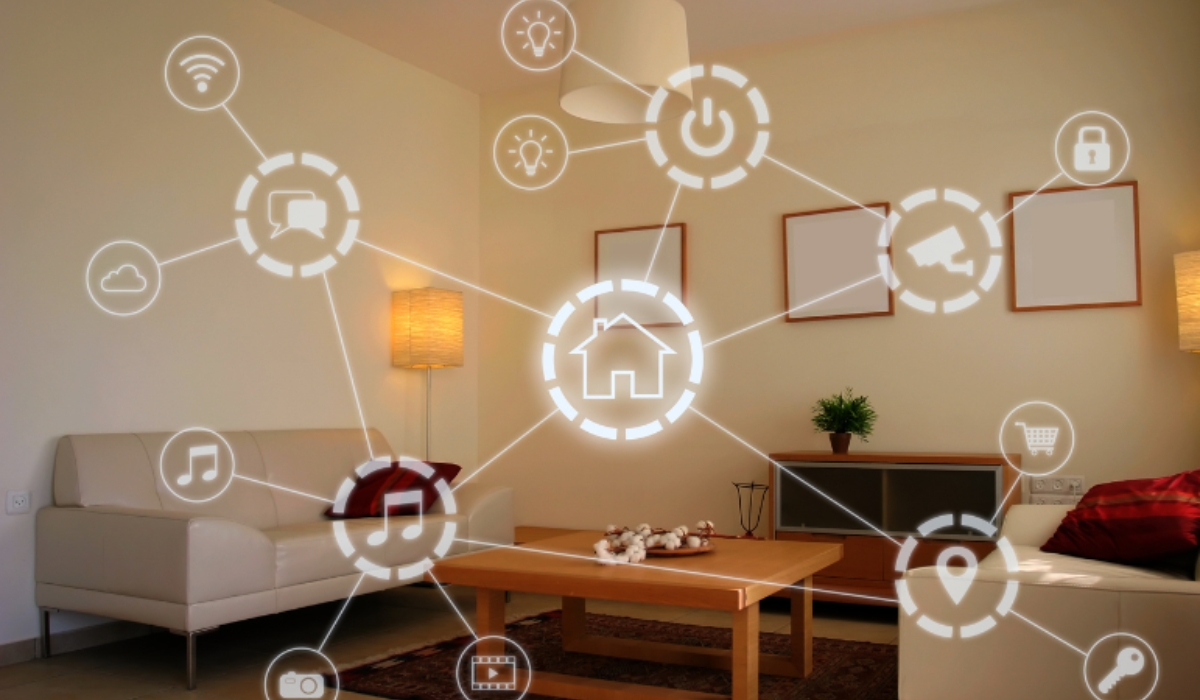
AI is changing every aspect of our lives. It’s also changing the way we care for people at home. Families, carers, and healthcare professionals are finding more intelligent ways to provide compassionate support as a result of the growth of AI technology in home care services. By 2025, this home care services technology will be a lifeline, not just a convenience.
The purpose of AI in home care is to offer support, security, and comfort. AI-driven solutions are keeping people happier and healthier in their own homes, from managing chronic illnesses to caring for the elderly. This blog examines the ways in which AI technology for home care services is developing, which solutions are garnering media attention, and how the landscape of caregiving is changing.
Traditionally, family coordination, handwritten records, and in-person visits were the mainstays of home care. AI has made things look very different now. The technology predicts possible hazards, tracks health, and simplifies daily chores.
Some popular areas where AI is actively improving home care include:
These tools don’t just reduce caregiver workload—they enhance safety, independence, and the overall quality of life.
AI technology enhances home care services in a myriad of ways. Let’s examine the most significant benefits:
AI systems automatically modify routines and treatment recommendations by analysing medical records, behaviours, and feedback.
AI-powered wearables and smart sensors monitor vital signs, identify changes in movement, and promptly notify carers.
Voice assistants and chatbots help close the communication gap between medical staff, families, and patients.
For both families and healthcare providers, automating some care tasks lowers long-term expenses.
AI offers safety netts, such as door sensors and fall detection, that let senior citizens live freely.
This is a comprehensive table that outlines the main AI technologies used in home care services and how they work in practice:
| Technology | Application in Home Care | Example Tools or Devices |
| AI-Powered Wearables | Monitor heart rate, oxygen levels, and movement | Fitbit, Apple Watch, Withings |
| Smart Home Sensors | Detect falls, motion, and environmental hazards | Nest Protect, Ring Sensors |
| Virtual Health Assistants | Provide medication reminders, emotional support | ElliQ, Amazon Alexa |
| Predictive Analytics | Alert caregivers about potential health issues before they happen | CarePredict, Qventus |
| Remote Patient Monitoring | Collect real-time data for
doctors and nurses to assess |
Biofourmis, HealthSnap |
These tools work together to create a more intelligent, responsive home care environment.
Services for home care AI technology is used for a variety of purposes and demographics. Let’s examine the most typical situations:
AI assists in monitoring sleep cycles, mobility, heart health, and medication schedules—all from a single location.
Continuous monitoring and prompt interventions are beneficial for patients with respiratory disorders, diabetes, or hypertension.
AI is used by care teams to monitor recovery, control medication intake, and modify daily schedules.
During disorientation, voice assistants and smart cameras assist in guiding patients, minimising confusion, and alerting families.
To simplify care, parents use AI-powered baby monitors, safety equipment, and scheduling bots.
Although there are many advantages, there are drawbacks to using AI technology for home care services:
Still, continuous improvements and education efforts are helping to overcome these obstacles.
Real families around the world are benefiting from AI-powered home care services. Here are a few easy wins:
The market for home care services AI tech is booming. Here’s what recent forecasts show:
| Metric | 2023 | 2025 (Projected) | Growth Rate |
| Global AI Home Care Market | $3.2 Billion | $7.5 Billion | 134% increase |
| AI Device Penetration (US) | 28% of households | 45% of households | 60% growth |
| Elderly Care AI Usage Rate | 35% of seniors | 62% of seniors | 77% increase |
These trends show that trust, adoption, and accessibility are rapidly expanding.
Choosing the right home care services AI tech can be overwhelming. Here’s a simple checklist to follow:
By checking these boxes, families can make informed decisions that bring lasting benefits.
Looking ahead, we’ll see even more innovation:
These breakthroughs promise to make home care services AI tech even more intuitive, accessible, and life-saving.
Services for home care Artificial intelligence platforms and tools that facilitate in-home caregiving and health are referred to as AI tech. These devices track health, issue notifications, and offer tailored advice to enhance safety and quality of life.
Prominent platforms protect data privacy by adhering to GDPR and HIPAA regulations. Secure cloud storage and encryption are features that many tools provide, but it’s important to review each provider’s privacy statement before making a purchase.
No, its purpose is to assist human carers, not to take their place. Services for home care AI technology manages monitoring and repetitive tasks so carers can concentrate on meaningful interactions.
The majority of AI tools have interfaces designed with senior citizens in mind, such as voice control and large screens. They are easy for older adults to use with little training.
Home care services in 2025 AI technology is a game-changer in the caregiving industry. It helps healthcare professionals care for more patients, gives those in need of care a greater sense of safety and dignity, and enables families to support loved ones from a distance.
Furthermore, the technology keeps improving—becoming more intelligent, more reasonably priced, and easier to use—as adoption rises. Therefore, now is the time to investigate what AI technology can offer you in the form of home care services, whether you are a patient, carer, or healthcare provider.
Recall that replacing human care is not the aim. Rather, it’s to improve it. Home care can become more efficient, individualised, and responsive than ever before with the correct AI tools.
Now is the time to act wisely and learn how home care services The way you or your loved ones receive care at home can be completely changed by AI technology